
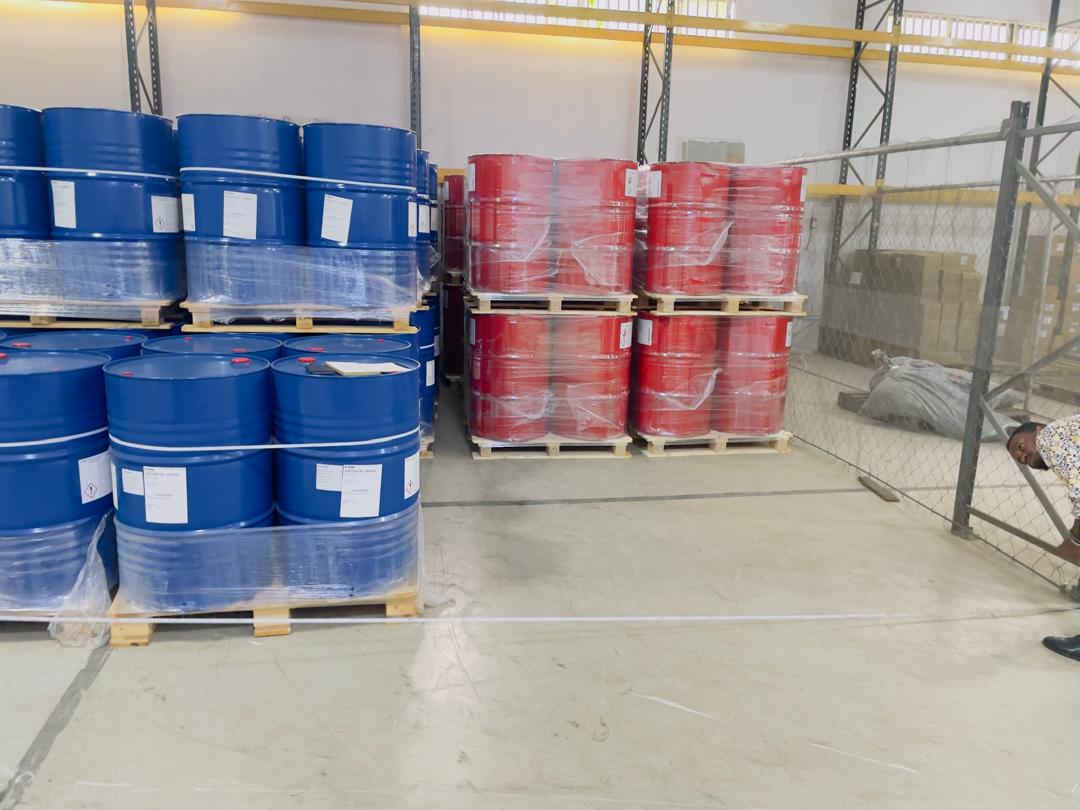
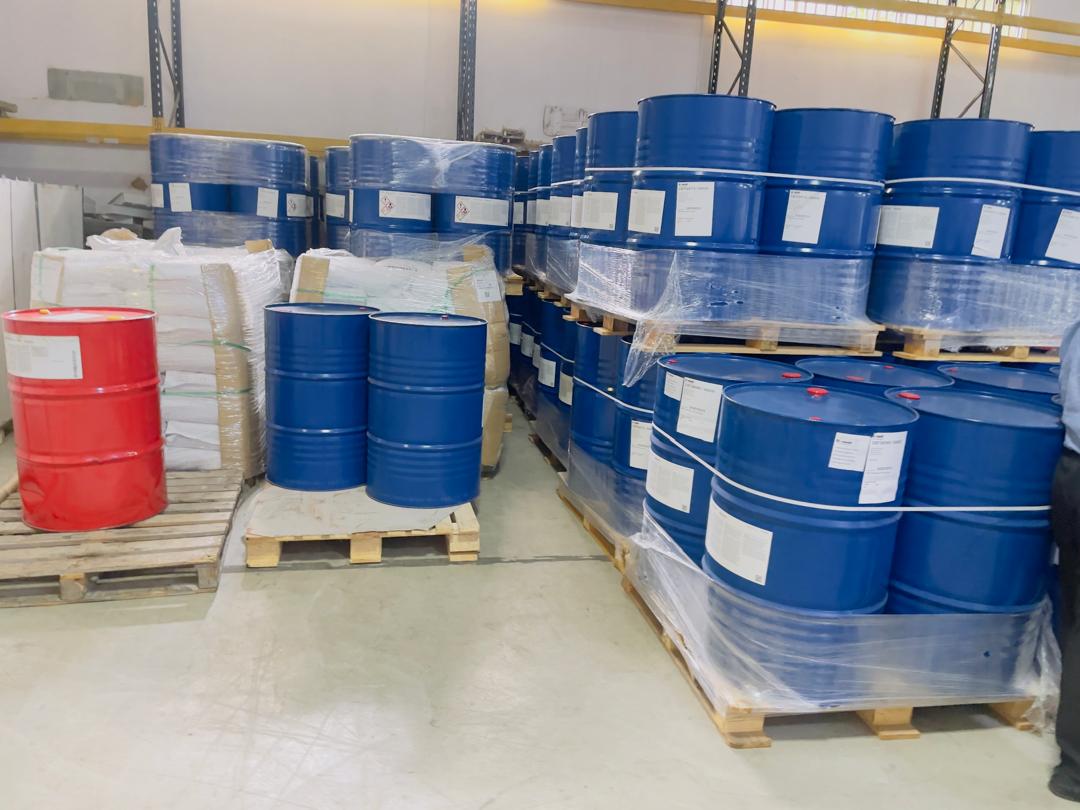
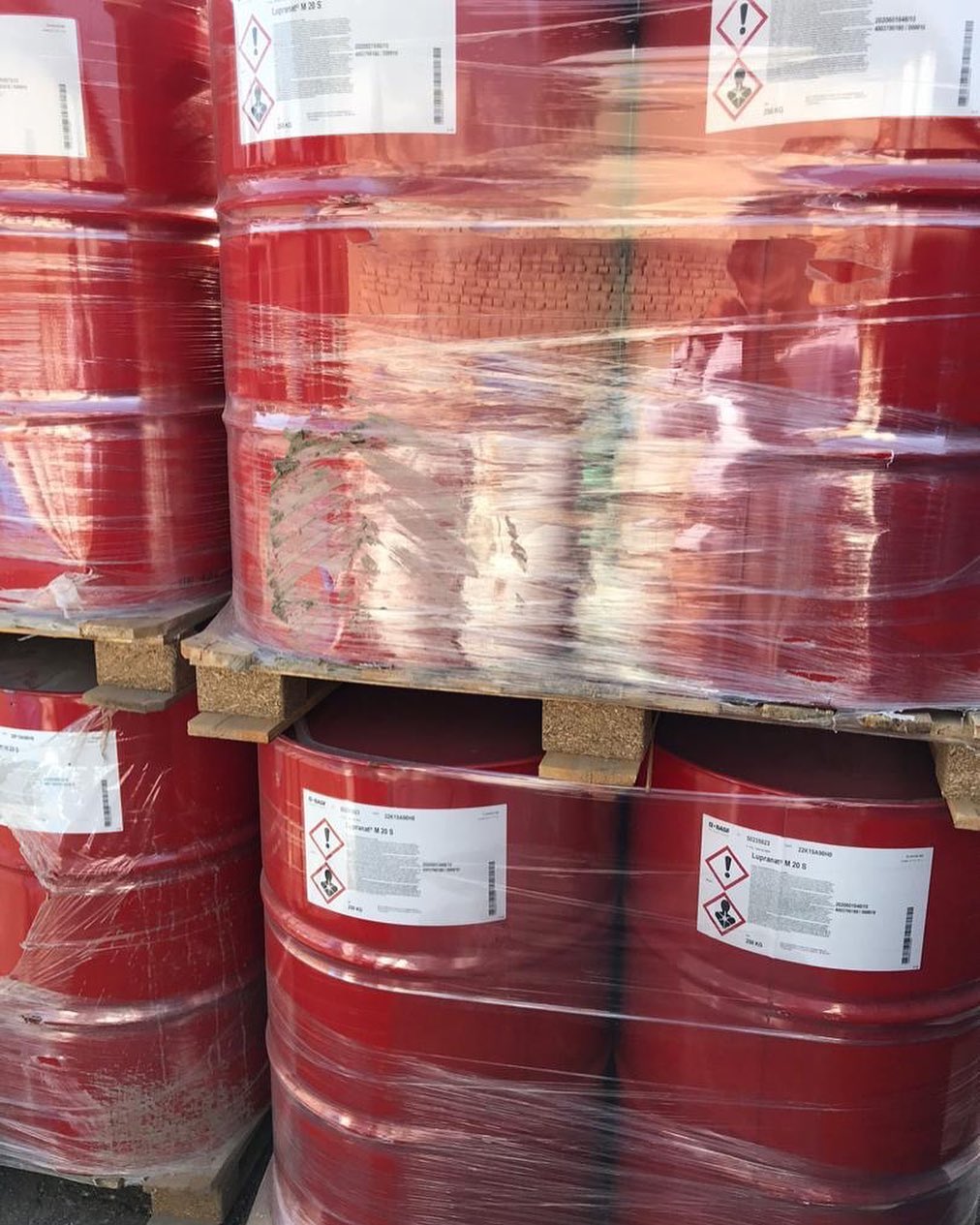
MDI/ISO/TDI & POLYOL
1. What does “ISO” mean?
ISO is the general industry term for isocyanates used in polyurethane (PU) foam.
Main isocyanates:
TDI – Toluene Diisocyanate
MDI – Methylene Diphenyl Diisocyanate
Both react with polyols to make PU foam.
2. TDI (Toluene Diisocyanate)
Key characteristics
Very reactive
Produces soft, flexible foam
Lower viscosity (easy to process)
Strong odor, more volatile
Mainly used for
🛏 Flexible foams
Mattresses
Sofa & cushion foam
Pillows
Carpet underlay
Why manufacturers use TDI
Excellent softness & elasticity
Lower cost (traditionally)
Fast production cycles
⚠️ Notes
More health & safety concerns
Mostly used in slabstock (block foam)
Less common today in some regions due to regulations
3. MDI (Methylene Diphenyl Diisocyanate)
Key characteristics
Less volatile than TDI
Stronger, more durable foam
Can make rigid, semi-rigid, or flexible foam
Higher viscosity
Types of MDI
Polymeric MDI (PMDI) – rigid foam, insulation
Pure MDI – molded flexible & semi-rigid foam
Mainly used for:
🏠 Rigid foam
Building insulation
Sandwich panels
Spray foam
🚗 Molded foams
Automotive seats
Armrests
Headliners
👟 Footwear
PU soles
Why manufacturers use MDI
Better mechanical strength
Lower emissions vs TDI
Wider application range
4. TDI vs MDI – Quick Comparison
Feature
TDI
MDI
Foam type
Flexible only
Rigid, flexible, semi-rigid
Odor
Strong
Low
Volatility
High
Low
Safety
Higher risk
Safer than TDI
Typical process
Slabstock
Molded / spray / rigid
Cost
Lower
Higher
5. Why “ISO” choice matters
Choosing TDI vs MDI affects:
Foam softness or hardness
Processing method (block vs mold)
Emissions & regulations
Product durability
Reviews
There are no reviews yet.